Introduction
Farming is one of the oldest and most essential occupations in human history. It began thousands of years ago when people stopped living as hunters and gatherers and started cultivating crops and domesticating animals. Since then, farming has become the foundation of civilization. It provides food, raw materials for industries, employment, and economic stability. Without farming, human survival would not be possible.Farming – The Backbone of Human Civilization and the Economy
In many countries, especially developing nations, agriculture is the backbone of the economy. India, for example, is known as an agricultural country because a large portion of its population depends on farming for their livelihood. Farmers work hard throughout the year to produce grains, fruits, vegetables, and other agricultural products that sustain the nation. Farming is not only an economic activity but also a way of life that reflects culture, tradition, and a deep connection with nature.
With technological advancements, farming has evolved from traditional methods to modern scientific practices. However, farmers continue to face challenges such as climate change, water scarcity, rising costs, and fluctuating market prices. Therefore, sustainable farming practices and government support are essential to ensure food security and economic growth.Farming – The Backbone of Human Civilization and the Economy

Meaning of FarmingFarming – The Backbone of Human Civilization and the Economy
Farming is the process of cultivating land, growing crops, and raising animals for food, fiber, fuel, and other products. It includes crop production, horticulture, dairy farming, poultry farming, fisheries, beekeeping, and livestock management. Farming combines knowledge, labor, technology, and natural resources to produce goods that meet human needs.Farming – The Backbone of Human Civilization and the Economy
Agriculture is more than planting seeds and harvesting crops. It involves careful planning, soil management, irrigation, pest control, harvesting, storage, transportation, and marketing. Successful farming requires patience, dedication, and scientific knowledge.Farming – The Backbone of Human Civilization and the Economy
Importance of FarmingFarming – The Backbone of Human Civilization and the EconomyFarming – The Backbone of Human Civilization and the Economy
1. Source of FoodFarming – The Backbone of Human Civilization and the Economy
The most important contribution of farming is the production of food. Crops such as rice, wheat, maize, barley, fruits, vegetables, pulses, and oilseeds provide the nutrition necessary for human survival. Livestock farming supplies milk, eggs, and meat.
2. Employment GenerationFarming – The Backbone of Human Civilization and the Economy1. Source of FoodFarming – The Backbone of Human Civilization and the Economy
Millions of people around the world earn their livelihood through farming and related activities. Agriculture creates employment opportunities in cultivation, transportation, processing, storage, marketing, and agricultural industries.
3. Contribution to the EconomyFarming – The Backbone of Human Civilization and the Economy
Agriculture plays a significant role in the economic development of many countries. It contributes to the Gross Domestic Product (GDP), supports exports, and provides raw materials for industries.
4. Raw Materials for IndustriesFarming – The Backbone of Human Civilization and the Economy
Many industries depend on agricultural products. Cotton is used in textile industries, sugarcane in sugar factories, rubber in manufacturing, and timber in construction and furniture production.
5. Foreign Exchange EarningsFarming – The Backbone of Human Civilization and the Economy
Many countries export agricultural products such as tea, coffee, spices, rice, fruits, vegetables, and cotton. These exports generate valuable foreign exchange and strengthen the national economy.
6. Rural DevelopmentFarming – The Backbone of Human Civilization and the Economy
Farming supports the development of rural communities by creating jobs, improving incomes, and encouraging the growth of schools, hospitals, roads, and markets.Farming – The Backbone of Human Civilization and the Economy
Types of Farming
1. Subsistence FarmingFarming – The Backbone of Human Civilization and the Economy
Subsistence farming is practiced mainly to meet the needs of the farmer’s family. The surplus production is very limited.
2. Commercial FarmingFarming – The Backbone of Human Civilization and the Economy
Commercial farming is carried out for profit. Large quantities of crops are produced for sale in local and international markets.
3. Organic FarmingFarming – The Backbone of Human Civilization and the Economy
Organic farming avoids the use of synthetic fertilizers and pesticides. It relies on natural compost, crop rotation, and biological pest control.
4. Mixed FarmingFarming – The Backbone of Human Civilization and the Economy
Mixed farming combines crop cultivation with livestock rearing. Farmers earn income from both crops and animals.
5. Plantation FarmingFarming – The Backbone of Human Civilization and the Economy
Plantation farming involves growing a single crop over a large area. Tea, coffee, rubber, cocoa, and coconut are common plantation crops.
6. Dairy FarmingFarming – The Backbone of Human Civilization and the Economy
Dairy farming focuses on producing milk and milk products by raising cows and buffaloes.
Major Crops Grown Around the WorldFarming – The Backbone of Human Civilization and the Economy
Different regions grow different crops depending on climate and soil conditions.
Food CropsFarming – The Backbone of Human Civilization and the Economy
- Rice
- Wheat
- Maize
- Barley
- Millet
Cash Crops
- Cotton
- Sugarcane
- Tobacco
- Coffee
- Tea
- Rubber
Oilseed CropMy accounts
- Mustard
- Soybean
- Sunflower
- Groundnut
Fruits and Vegetableshttps://digifletcher.com/
- Mango
- Banana
- Apple
- Orange
- Tomato
- Potato
- Onion
- Cabbage
Factors Affecting Farming
Several factors influence agricultural production.
1. Climate
Temperature, rainfall, humidity, and sunlight directly affect crop growth.
2. Soil
Different crops require different types of soil. Fertile soil increases productivity.
3. Water Availability
Adequate irrigation is necessary for healthy crop growth.
4. Seeds
High-quality seeds produce healthier plants and higher yields.
5. Fertilizers
Fertilizers replenish nutrients in the soil and improve crop production.
6. Technology
Modern machinery and scientific methods increase efficiency and reduce labor.
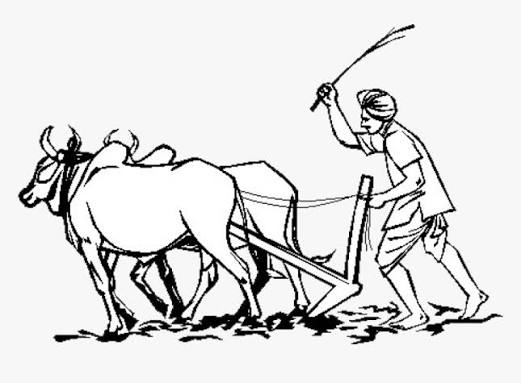
Modern Farming Techniques
Agriculture has undergone significant transformation due to technological innovations.
Mechanization
Machines such as tractors, harvesters, seed drills, and threshers have replaced manual labor in many farming operations.
Precision Farming
Precision farming uses GPS, sensors, drones, and satellite technology to monitor crop health and optimize the use of water, fertilizers, and pesticides.
Drip Irrigation
Drip irrigation supplies water directly to plant roots, reducing water wastage and improving crop growth.
Sprinkler Irrigation
Sprinklers distribute water evenly over fields, making irrigation efficient.
Greenhouse Farming
Greenhouses allow crops to grow under controlled environmental conditions throughout the year.
Hydroponics
Hydroponics is a method of growing plants without soil by using nutrient-rich water solutions.
Vertical Farming
Vertical farming grows crops in stacked layers, making efficient use of urban space.
Role of Technology in Agriculture
Technology has revolutionized agriculture in many ways.
- Drones monitor crop health.
- Mobile applications provide weather forecasts and farming advice.
- Artificial Intelligence helps detect diseases.
- Biotechnology develops disease-resistant crops.
- GPS systems improve field management.
- Soil testing identifies nutrient deficiencies.
- Automated irrigation systems save water.
These innovations improve productivity while reducing costs and environmental impact.
Challenges Faced by Farmers
Despite technological progress, farmers encounter several difficulties.
Climate Change
Irregular rainfall, droughts, floods, and rising temperatures affect crop production.
Water Scarcity
Many regions suffer from inadequate water for irrigation.
Small Land Holdings
Small farms often limit productivity and profitability.
Rising Costs
Seeds, fertilizers, machinery, fuel, and labor have become increasingly expensive.
Pest and Disease Attacks
Insects, weeds, and plant diseases can significantly reduce yields.
Market Fluctuations
Farmers often receive low prices because of unstable markets.
Debt
Many farmers borrow money for cultivation and struggle to repay loans after poor harvests.
Sustainable Farming
Sustainable farming aims to meet present food needs without harming future generations.
Its principles include:
- Conserving soil fertility
- Saving water
- Reducing chemical pollution
- Protecting biodiversity
- Using renewable energy
- Encouraging crop rotation
- Practicing integrated pest management
Sustainable agriculture protects the environment while maintaining long-term productivity.
Organic Farming
Organic farming has become increasingly popular because consumers prefer healthy and chemical-free food.
Advantages
- Produces healthier food
- Protects soil fertility
- Reduces environmental pollution
- Conserves biodiversity
- Improves long-term sustainability
Disadvantages
- Lower yields during initial years
- Higher labor requirements
- Organic products may be more expensive
- Certification can be costly
Government Support for Agriculture
Governments support agriculture through various initiatives.
These include:
- Agricultural subsidies
- Crop insurance
- Irrigation projects
- Research and development
- Farmer education programs
- Minimum support prices
- Agricultural credit
- Rural infrastructure development
Such measures improve farmers’ incomes and strengthen food security.
Farming and the Environment
Agriculture and the environment are closely connected.
Poor farming practices may cause:
- Soil erosion
- Water pollution
- Deforestation
- Loss of biodiversity
- Greenhouse gas emissions
Environment-friendly practices include:
- Organic farming
- Tree plantation
- Rainwater harvesting
- Efficient irrigation
- Crop rotation
- Reduced chemical use
Future of Farming
The future of agriculture depends on innovation and sustainability.
Emerging trends include:
- Artificial Intelligence
- Robotics
- Smart irrigation
- Drone technology
- Climate-smart agriculture
- Gene editing
- Digital marketplaces
- Vertical farming
- Hydroponics
- Renewable energy in agriculture
Young entrepreneurs and scientists are transforming agriculture into a technology-driven industry.
Importance of Farmers
Farmers are often called the “backbone of the nation” because they produce the food that sustains society. Their hard work, patience, and resilience ensure that markets remain supplied with food despite unpredictable weather and numerous challenges.
Recognizing farmers’ contributions means providing fair prices, education, healthcare, financial support, and access to modern technology. A prosperous farming community leads to a stronger and more secure nation.
Conclusion
Farming is the foundation of human life and civilization. It provides food, employment, raw materials, and economic stability while supporting the development of industries and rural communities. Although agriculture has made remarkable progress through science and technology, farmers continue to face challenges such as climate change, water shortages, rising production costs, and unstable markets.
The future of farming lies in sustainable practices, technological innovation, and strong government support. Efficient irrigation, organic farming, precision agriculture, and environmentally friendly methods can increase productivity while protecting natural resources. Investing in agricultural research, farmer education, and rural infrastructure will ensure long-term food security and economic prosperity.
Every meal we eat is the result of a farmer’s dedication and hard work. Therefore, farmers deserve respect, appreciation, and continued support. By promoting sustainable agriculture and adopting modern farming techniques, societies can ensure that future generations have access to sufficient, safe, and nutritious food. Farming is not merely an occupation; it is the lifeline of humanity and the cornerstone of a nation’s progress.
Farming
Farming is one of the oldest and most important occupations in the world. It is the process of growing crops and raising animals to produce food and other useful products. Farming plays a vital role in human life because it provides the food we eat every day. Farmers work hard throughout the year to grow crops such as wheat, rice, maize, fruits, and vegetables. They also raise animals like cows, goats, and chickens for milk, meat, and eggs.
In countries like India, farming is the backbone of the economy. A large number of people depend on agriculture for their livelihood. Farming also provides raw materials for many industries, such as cotton for textiles and sugarcane for sugar production. Modern farming uses tractors, harvesters, improved seeds, fertilizers, irrigation systems, and advanced technology to increase crop production and reduce labor.
However, farmers face many challenges, including unpredictable weather, droughts, floods, pests, rising production costs, and low market prices. Climate change has also made farming more difficult. Governments and agricultural scientists are working together to help farmers by introducing better farming techniques, crop insurance, improved seeds, and financial support.
Sustainable farming is becoming increasingly important because it protects the environment and conserves natural resources. Organic farming, water conservation, and the responsible use of fertilizers and pesticides help maintain healthy soil and clean water.
In conclusion, farming is essential for the survival and development of every nation. It ensures food security, creates employment, and supports economic growth. Farmers deserve our respect and support because their hard work provides the food that nourishes the world. By adopting modern and sustainable farming practices, we can build a healthier, more prosperous, and environmentally friendly future.
Farming is one of the oldest and most important occupations in the world. It is the practice of cultivating land, growing crops, and raising animals to produce food, fiber, and other essential products. Farming has been the foundation of human civilization for thousands of years. Without farming, people would not have enough food to survive. It plays a vital role in supporting the economy, creating employment, and ensuring food security. In many countries, especially India, agriculture is considered the backbone of the economy because a large part of the population depends on it for their livelihood.
Farmers grow a variety of crops such as rice, wheat, maize, barley, pulses, fruits, and vegetables. They also raise livestock, including cows, buffaloes, goats, sheep, and poultry, for milk, meat, eggs, and other products. Farming not only provides food but also supplies raw materials for industries. Cotton is used to make clothes, sugarcane is processed into sugar, and oilseeds are used to produce cooking oil. Thus, agriculture supports many industries and contributes significantly to the country’s economic growth.
Over the years, farming has changed greatly with the help of science and technology. Modern farming uses tractors, harvesters, irrigation systems, improved seeds, fertilizers, and pesticides to increase crop production. Technologies such as drones, GPS, soil testing, and weather forecasting help farmers make better decisions and improve productivity. These innovations have reduced manual labor and increased efficiency. However, it is also important to use these technologies responsibly to avoid environmental damage.
Despite its importance, farming faces many challenges. Farmers often suffer from unpredictable weather conditions such as droughts, floods, storms, and irregular rainfall. Climate change has made these problems more severe. Other challenges include rising costs of seeds, fertilizers, fuel, and machinery, as well as pest attacks and crop diseases. Many farmers also struggle to get fair prices for their produce, leading to financial difficulties and debt.
Sustainable farming has become increasingly important in recent years. It focuses on protecting the environment while maintaining agricultural productivity. Practices such as organic farming, crop rotation, water conservation, and the limited use of chemical fertilizers help preserve soil fertility and reduce pollution. Sustainable agriculture ensures that future generations will also have access to fertile land and sufficient food resources.
Governments play a crucial role in supporting farmers through agricultural policies, crop insurance, irrigation projects, financial assistance, research, and training programs. These initiatives help improve farming methods and increase farmers’ incomes. Educating farmers about modern techniques and sustainable practices can further strengthen the agricultural sector.
In conclusion, farming is essential for the survival and progress of humanity. It provides food, employment, raw materials, and economic stability. Farmers work tirelessly to feed the world’s growing population despite facing numerous difficulties. Their contribution to society deserves respect and appreciation. By adopting modern technology, protecting natural resources, and supporting farmers through effective policies, we can build a stronger agricultural system. A healthy farming sector not only ensures food security but also contributes to the overall development and prosperity of a nation.
Table of Contents
| Aspect | Details |
|---|---|
| Topic | Farming |
| Definition | Farming is the practice of growing crops and raising animals for food and other products. |
| Importance | Provides food, employment, raw materials, and supports the economy. |
| Main Crops | Rice, wheat, maize, barley, pulses, fruits, and vegetables. |
| Livestock | Cows, buffaloes, goats, sheep, and poultry. |
| Types of Farming | Subsistence farming, commercial farming, organic farming, mixed farming, and plantation farming. |
| Modern Farming Methods | Tractors, harvesters, drip irrigation, improved seeds, drones, GPS, and soil testing. |
| Benefits of Farming | Ensures food security, creates jobs, supports industries, and contributes to national income. |
| Challenges | Climate change, droughts, floods, pests, high production costs, low market prices, and water scarcity. |
| Sustainable Practices | Organic farming, crop rotation, water conservation, and reduced use of chemicals. |
| Government Support | Crop insurance, irrigation projects, agricultural loans, subsidies, and farmer training programs. |
| Conclusion | Farming is the backbone of many economies and is essential for human survival, economic growth, and environmental sustainability. |